Multimedia - Komisja Nadzoru Finansowego

COMMUNICATION
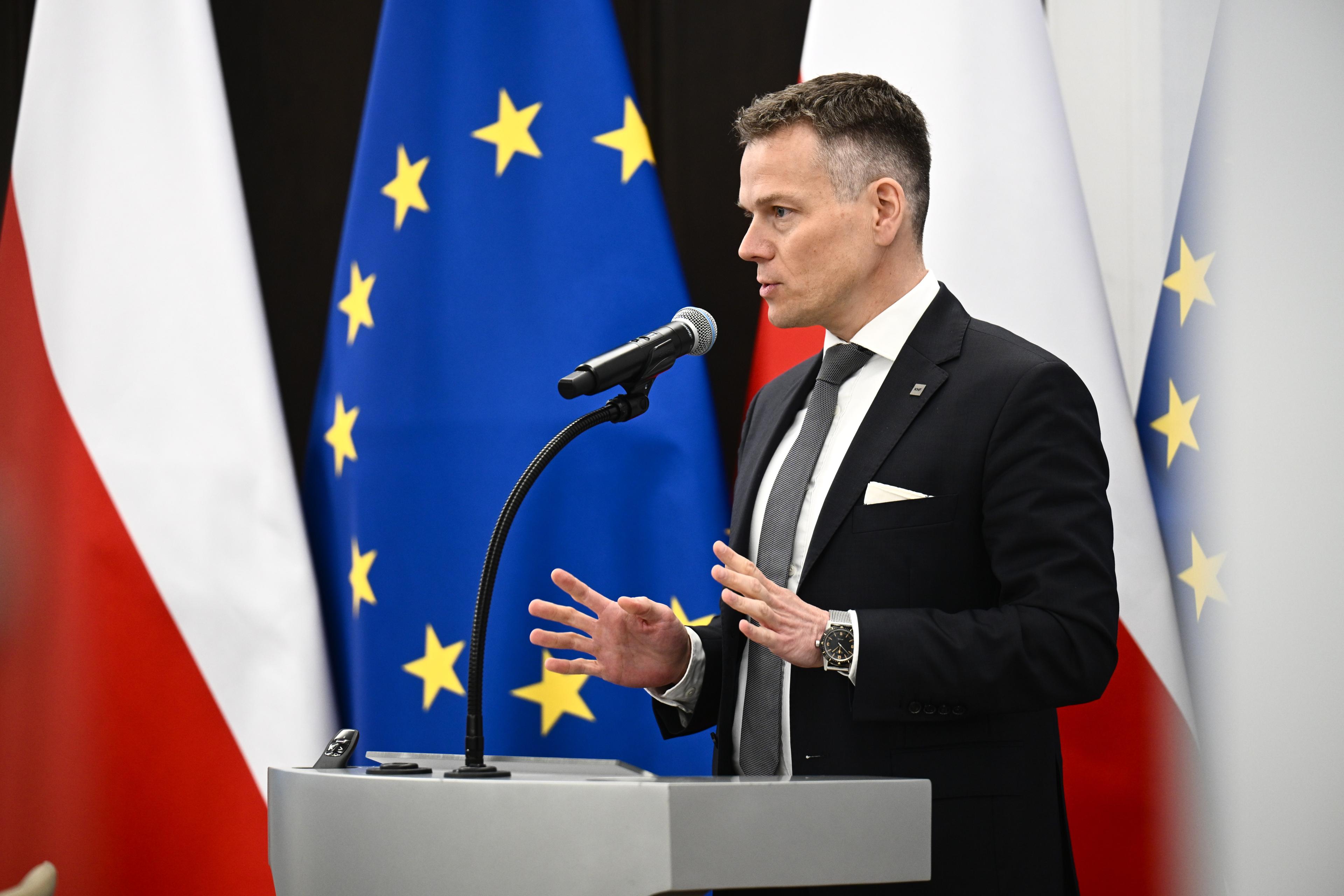
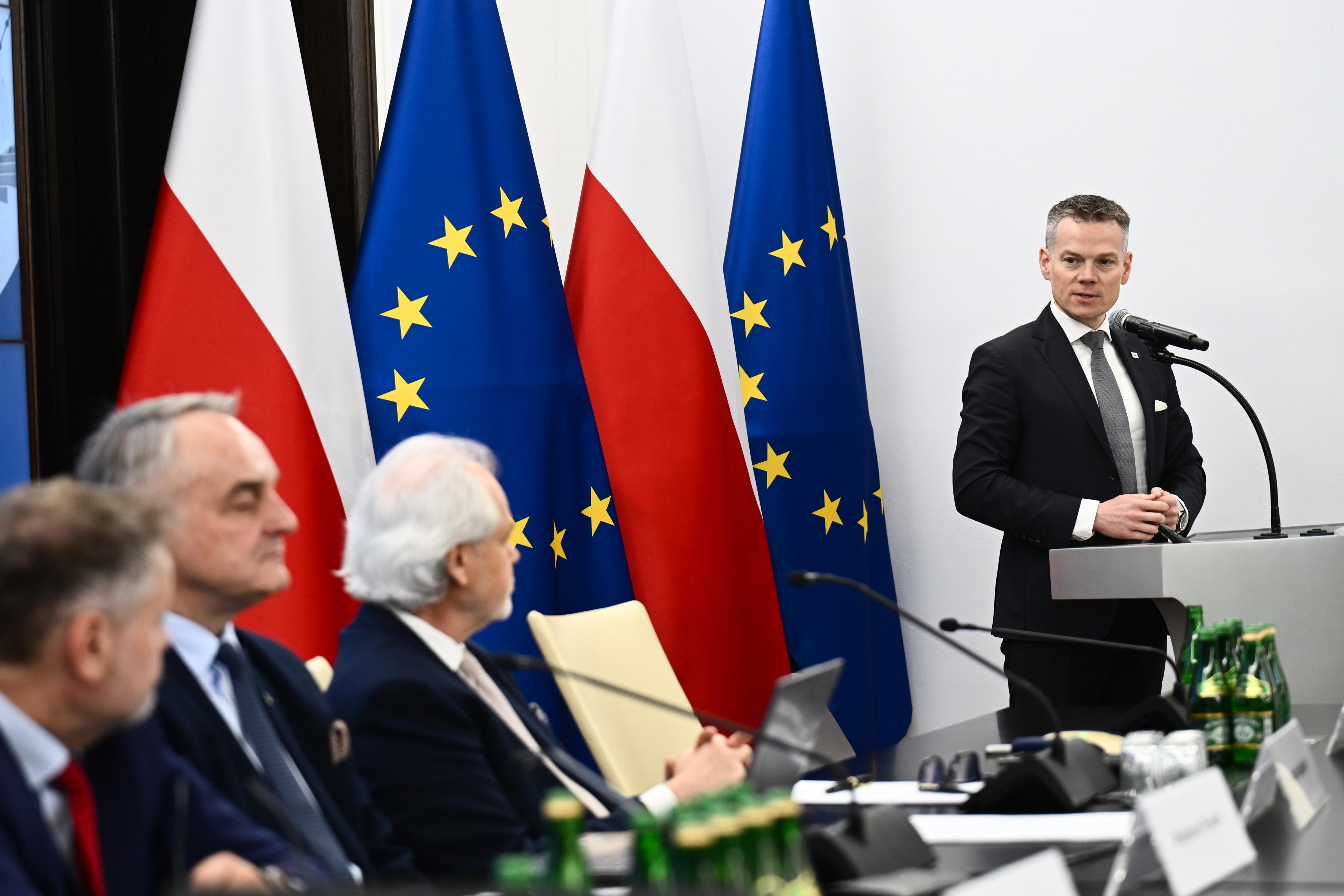
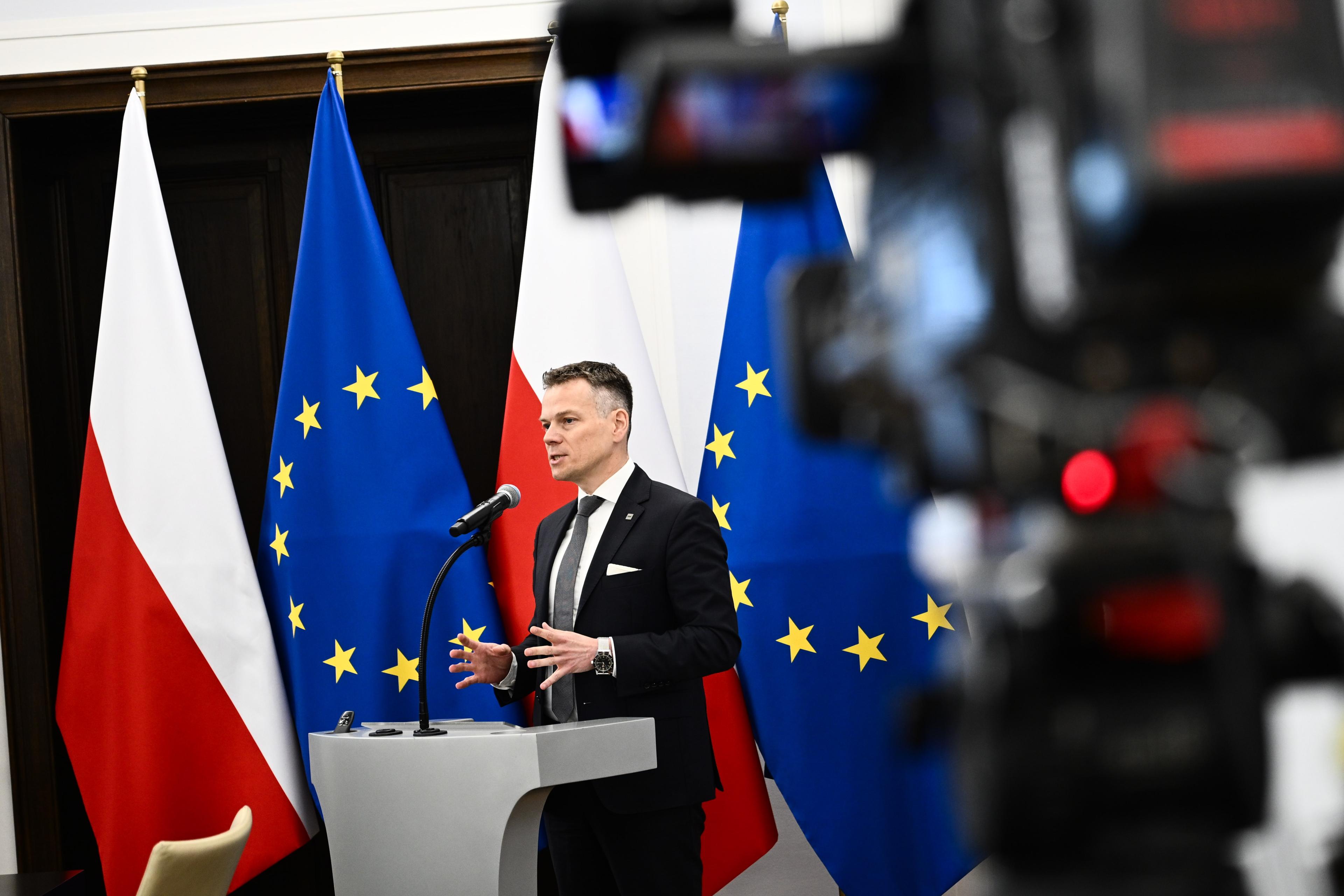
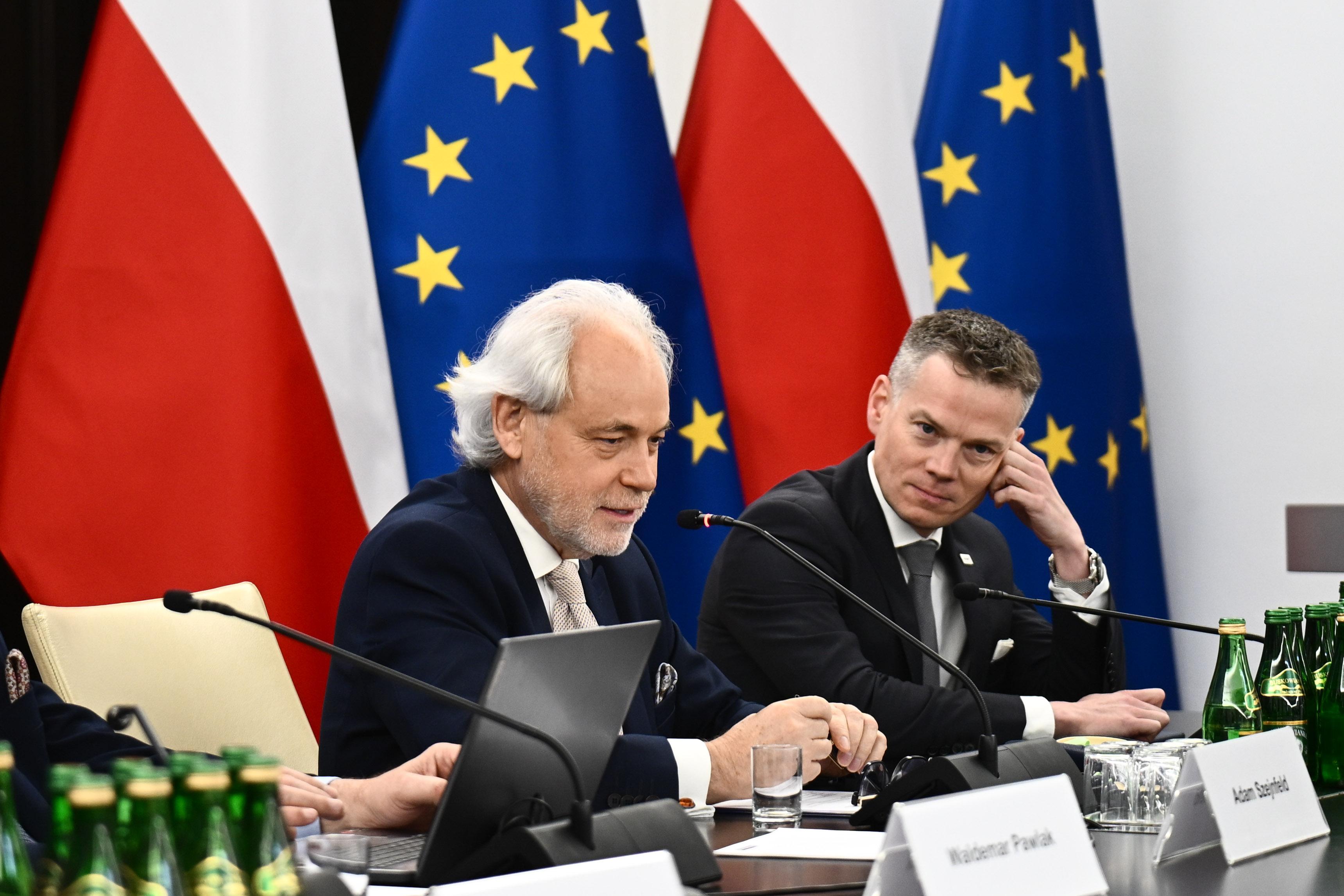
Jacek Jastrzębski spoke at the Senate debate on the role of the financial market
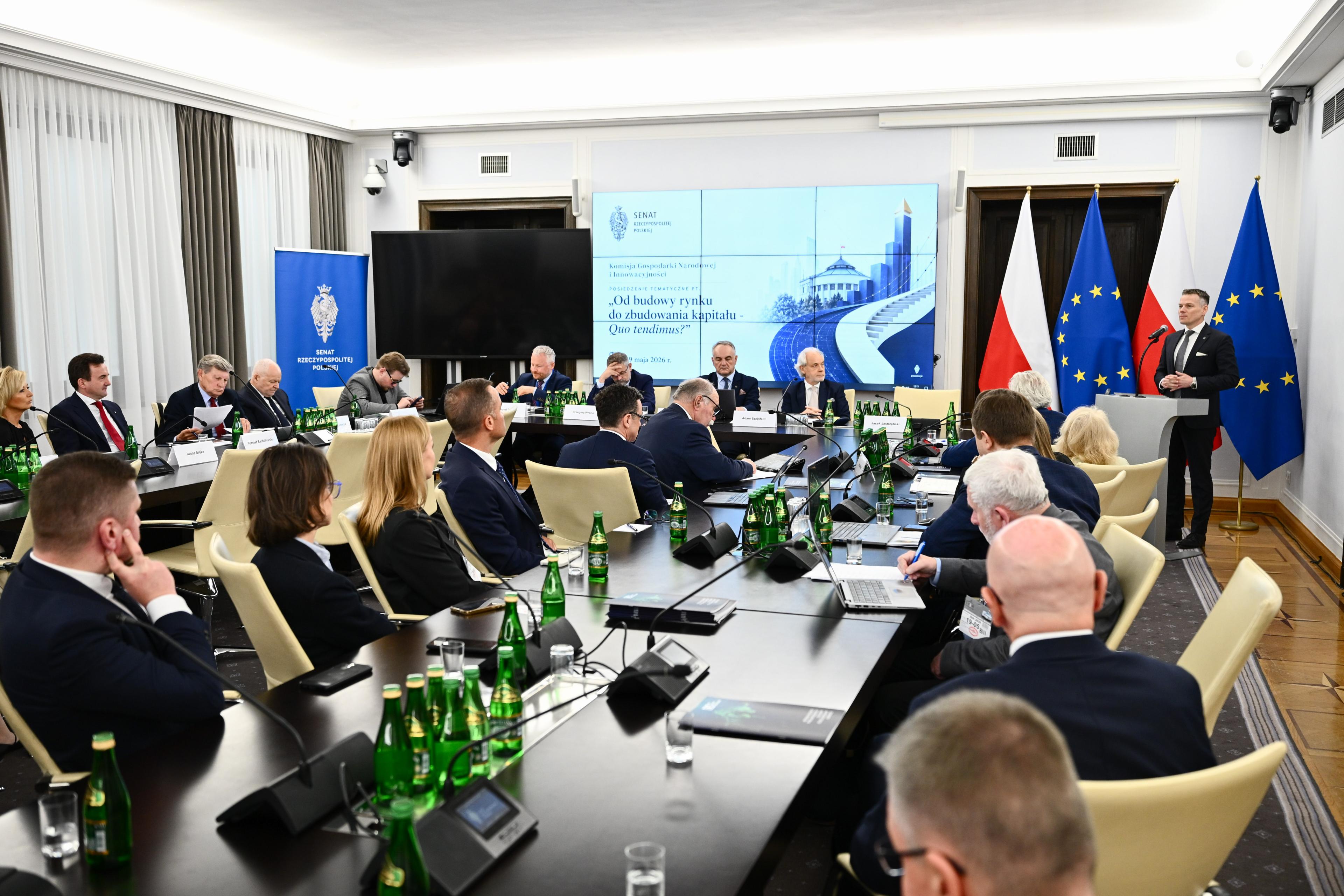
Jacek Jastrzębski, Chair of the KNF, spoke during a debate at the Senate’s National Economy and Innovativeness Committee.
The session of the Committee was focused on the role of the financial market, including the banking sector, capital market, and stock exchange, in the development of the Polish economy. The debate was entitled: ‘From the creation of the market to building the capital: Quo tendimus?’.
‘The financial market is not an end in itself, but it serves an ancillary function to the economy,’ Jacek Jastrzębski said.
The Chair of the KNF pointed out in his speech that Poland had achieved the record high proximity to the economic centre of the West, which was possible, among other things, due to high quality of state institutions, including financial supervision. He also reminded the audience that the last two decades had been a period of many turbulences and challenges for the financial sector: from the global financial crisis, through the problem of foreign-currency loans, record low interest rates, the pandemic, inflation and increase in interest rates, to cyber threats or the ongoing benchmark reform. Nonetheless, the market remained resilient and stable.
A key issue, however, is that the scale of the Polish financial market is too small in light of the needs of the developing economy. According to Jacek Jastrzębski, the existing model of growth, based on, among other things, low labour costs and fast catching up with the West, is gradually running out. Poland must enter the stage of economic growth based more on capital and investments, which requires a strong financial market.
In this context, Jacek Jastrzębski emphasised the key importance of quality of institutions, in particular quality of law, predictability of regulations, as well as coordination and consistency of the functioning of the institutions whose work affected the functioning of the market. He stressed that failure to apply a consistent approach in the process of law-making and its further application, either in court or administrative practice, might become one of main barriers to further development. High quality of institutions, including the process of drafting and applying law, and the consistency of actions must be the cornerstone of further development of the Polish economy and the financial market.
Secondly, Jacek Jastrzębski also mentioned the necessary shift in the philosophy of financial supervision, expressed in particular in the departure from the model of supervisory authority as an institution that acted post factum and imposes sanctions for violations. In his view, a modern supervisory authority needs to act, first and foremost, in a preventive manner, supporting growth, in particular in the area of new threats. It is not the role of the supervisory authority to eliminate all the threats at all costs, as it would involve stifling the market, but to ensure reasonable balancing between safety and dynamic growth.
In his speech, the Chair of the KNF reflected on the responsibility of financial supervision staff, who operate under a huge social and political pressure, as each decision they make may be assessed after years through the prism of knowledge acquired from later events, in detachment from the actual knowledge and circumstances known at the moment the decision was made. At the same time, the nature of today’s expectations towards financial supervisors, in particular in terms of preventing financial fraud, requires taking bold and brave actions ‘here and now’. For this reason, when expecting its officials to take firm and bold actions, the state should show loyalty to them and ensure that the officials who act diligently, fairly and in good faith feel safe and protected. Only then will such institutions as the financial supervisory authority be able to make bold and firm decisions which support the development of the market. Indeed, the biggest threat to the quality of institutions is lack of courage to take actions, and negative consequences of avoiding any decision may prove worse than the risk of making mistakes in decision-making.