Multimedia - Komisja Nadzoru Finansowego

COMMUNICATION
Dariusz Adamski spoke at Eurofi Financial Forum 2026
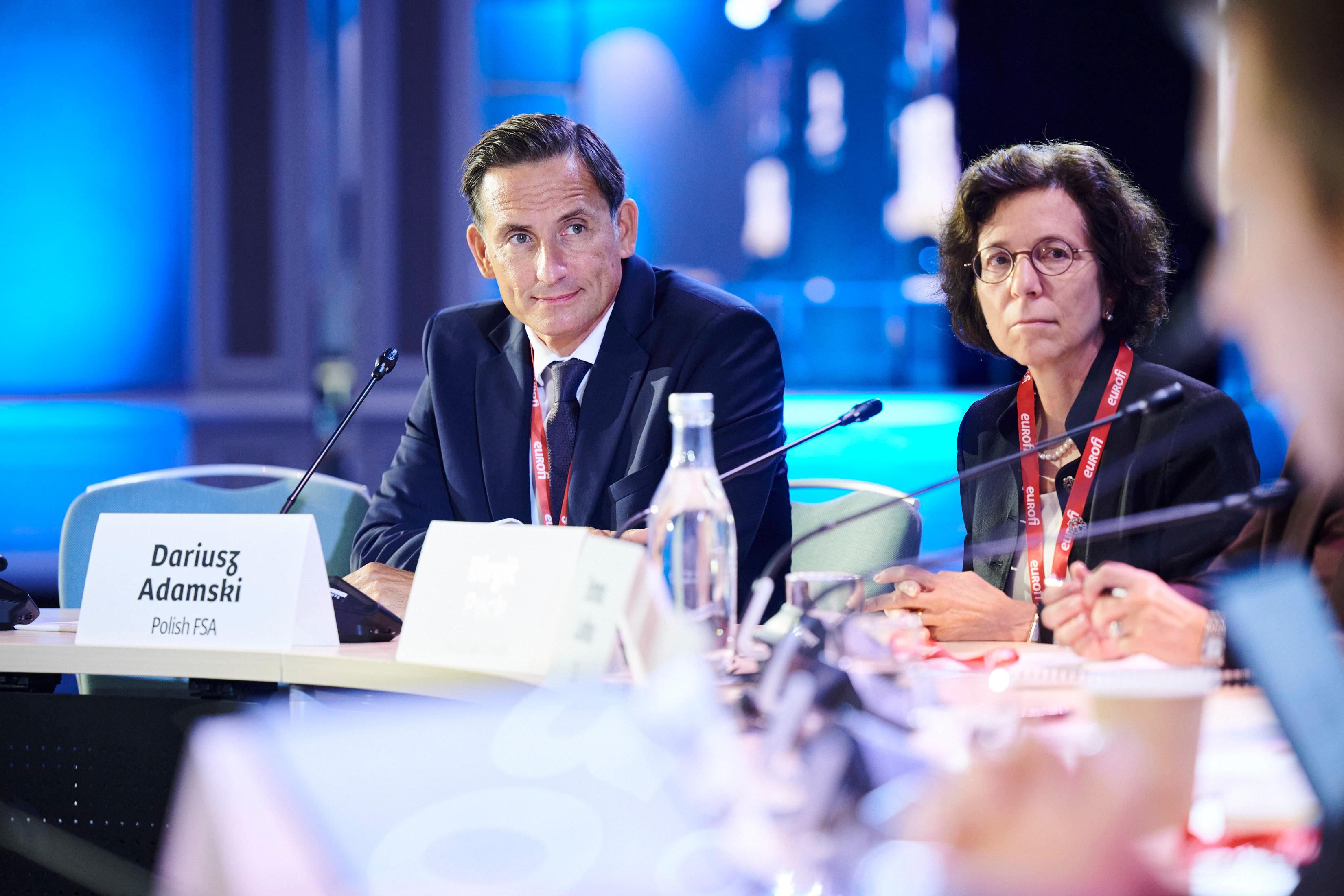
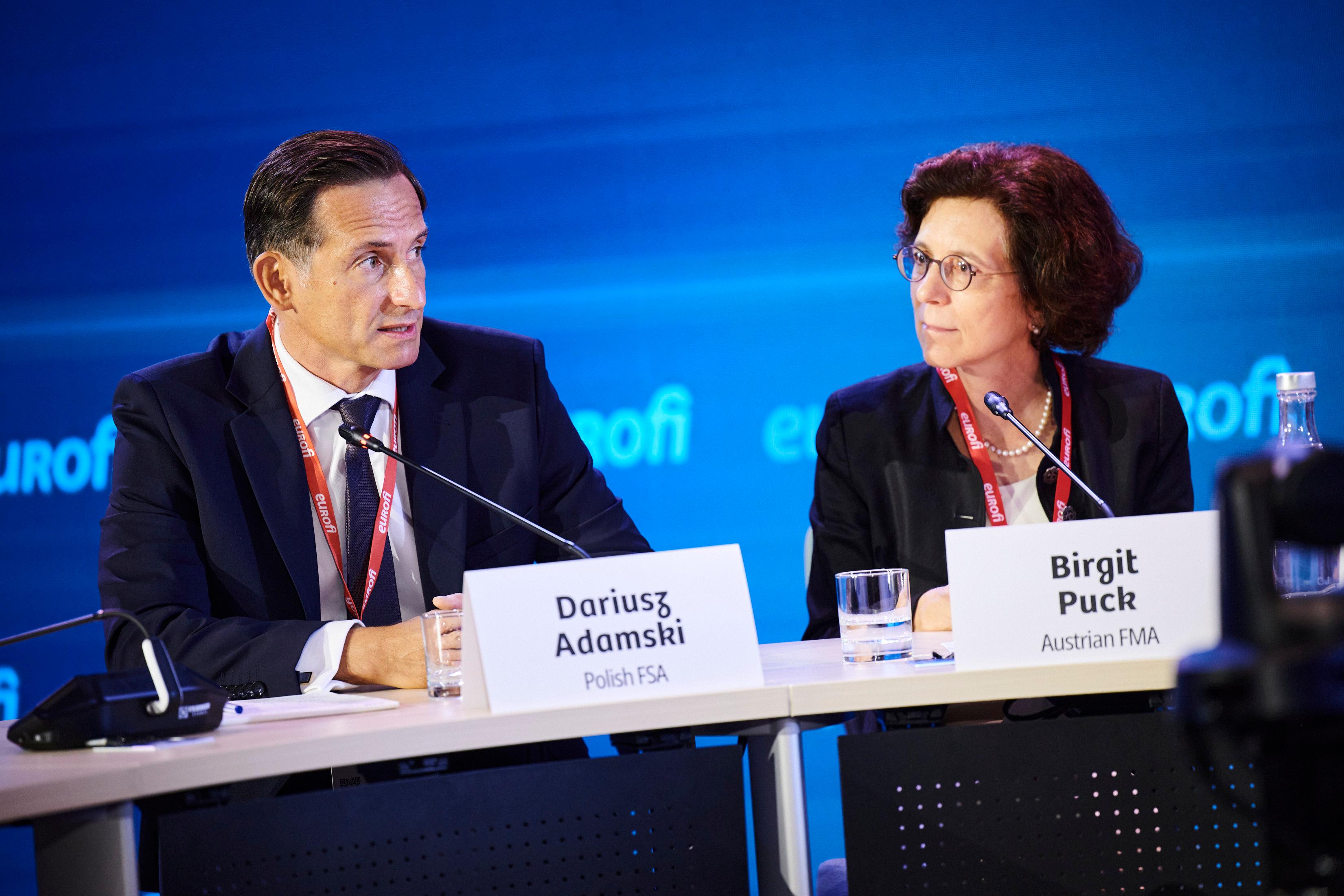
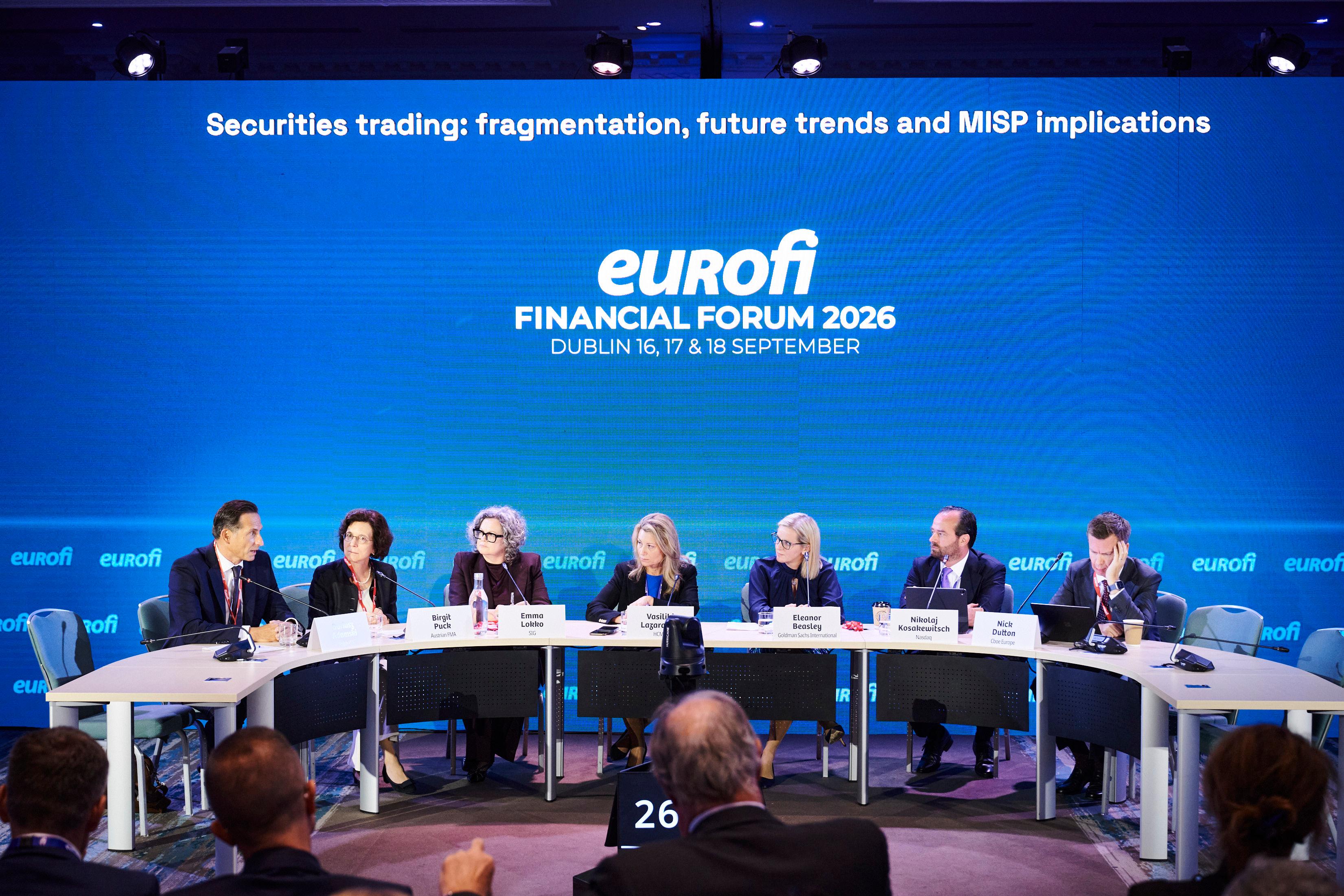
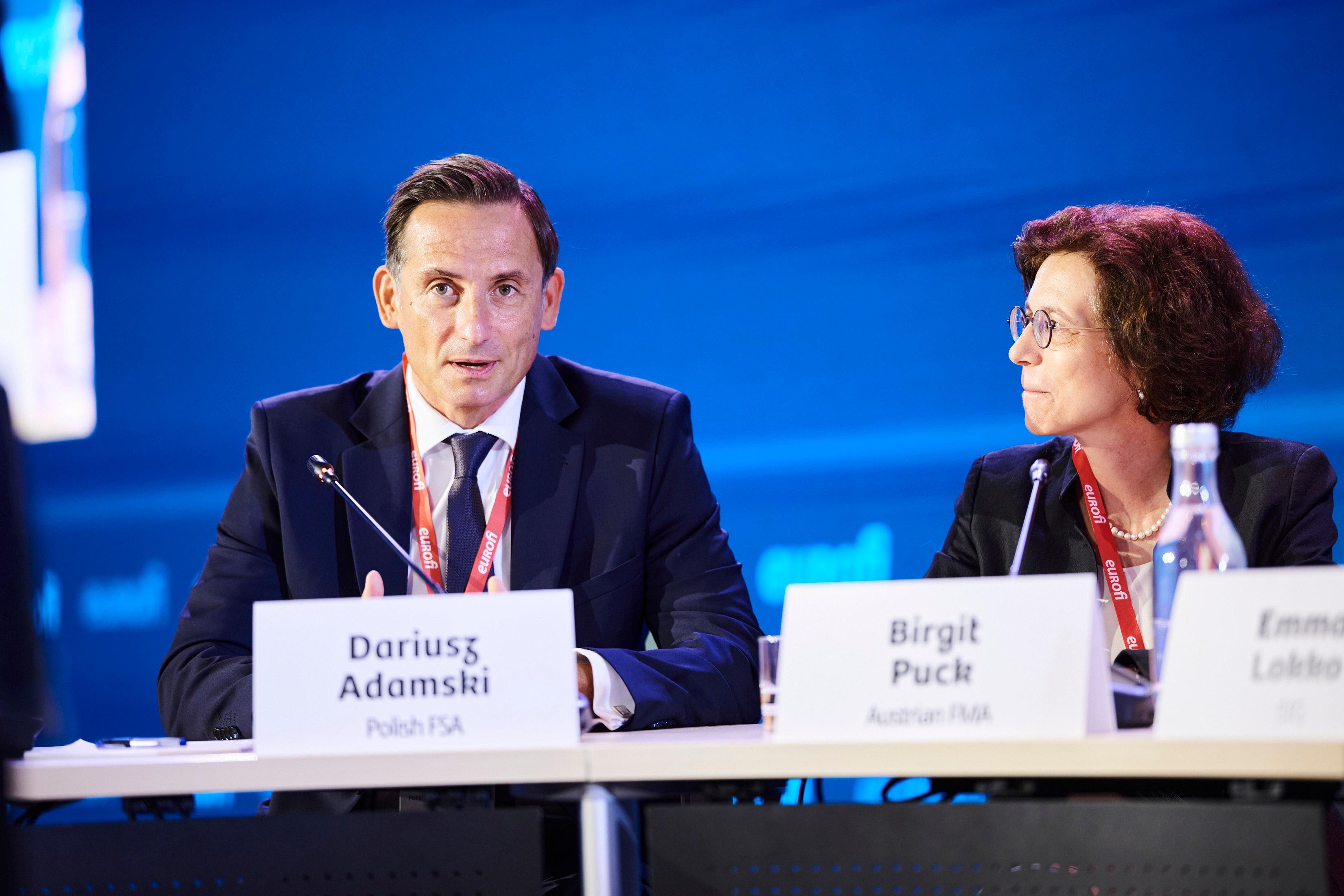
Dariusz Adamski – Deputy Chair of the KNF, spoke at the panel ‘Securities trading: fragmentation, future trends and MISP implications’, during Eurofi Financial Forum 2026 in Dublin.
The panel was devoted to changes in European securities trading markets, in particular market fragmentation, liquidity, market depth and quality of price formation process, as well as new trends, such as longer trading hours or development of algorithmic trading and AI. The discussion also addressed the issue of whether solutions proposed as part of MISP could improve the efficiency of European markets and what conditions and actions are necessary to effectively reduce the existing barriers.
Dariusz Adamski emphasised the need to make a clear distinction between transactions that actually contribute to the price formation process and those that only use the prices that have been formed already. From the regulatory perspective, mechanisms supporting the efficient price formation process should be considered important as the weakening of the process may, in the long run, lead to distortions in the functioning of the market.
He also pointed to the progressive fragmentation of trading and the growing role of alternative trading venues. Alternative markets and primary markets can now still remain complementary to each other, but recent trends show a possibility of further pushing liquidity out of traditional regulated markets. According to Dariusz Adamski, this may have important consequences for the process of price formation, competitiveness of European capital markets, and capacity of the primary market to play its part in the financing of the economy.
The Deputy Chair of the KNF pointed to the growing concentration of liquidity and changes in the shares of specific platforms in the total of trading. He emphasised that Cboe (Chicago Board Options Exchange) was gaining importance, while Euronext’s share was dropping, and indicated that the direction of regulatory changes might consolidate this trend even further. It is not, however, about the protection of a specific business model or specific operators but about the assessment of structural consequences of the changes for the entire European market.
Dariusz Adamski also emphasised that the ‘price discovery’ process had its own price, while the cost of functioning of primary regulated markets were higher, due to, for instance, regulatory and supervisory requirements. In the environment of growing competition, this may make it more difficult for traditional markets to compete exclusively by means of subsequent, insignificant, reductions in transactional costs. From the perspective of the economy, it is more important to ensure an efficient mechanism of capital raising by businesses and retaining the attractiveness of European primary markets.
To illustrate the point, he compared changes in the capitalisation of the Warsaw Stock Exchange and the Austrian primary market. While liquidity in the capital market in Poland is concentrated very much in the primary market, accounting for almost 90% of the total market liquidity, the stock exchange in Austria accounts for approximately one third of liquidity only. The Polish market structure is undoubtedly less ‘modern’, and yet, higher liquidity concentration in the primary market seems to bring a faster increase in the capitalisation of the Polish stock exchange: in 2019, capitalisation in Poland was 13% higher than in Austria, while in August 2026, the difference went up to 49%. The higher fragmentation of liquidity in the Austrian market does not seem to be conducive to the development of the primary market, despite its key part in the processes of IPO, price formation and capital formation.
As a result, the fundamental regulatory challenge is to find such a model for the functioning of the market that, on one hand, allows for competition and innovation, while, on the other hand, does not lead to excessive weakening of markets that play a key part in the ‘price discovery’ process. In this context, he expressed the concern that some of observed and proposed changes at the European level might go in a wrong direction if their broader impact on the market structure and real economy was not considered.