Multimedia - Komisja Nadzoru Finansowego

COMMUNICATION
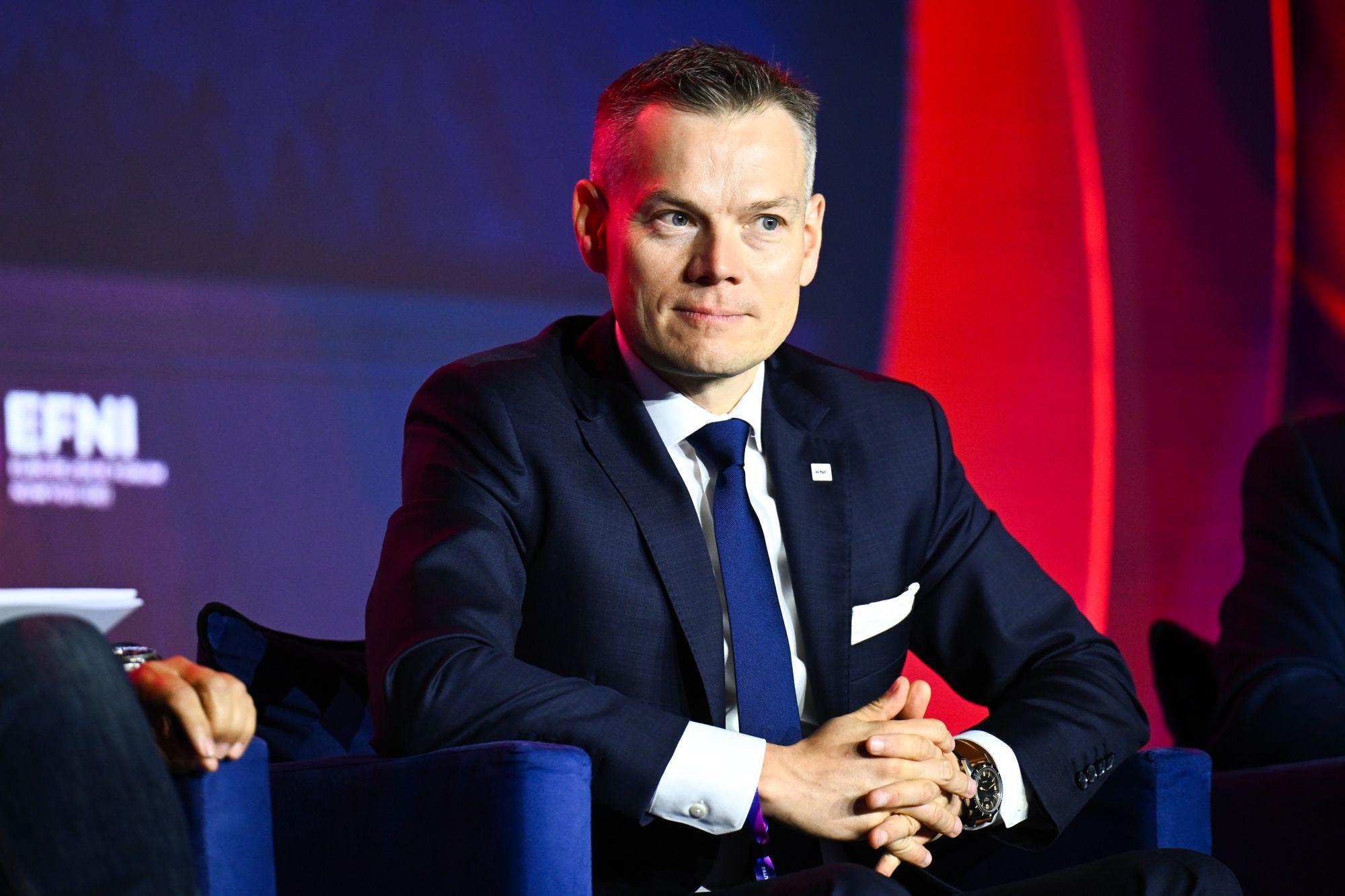
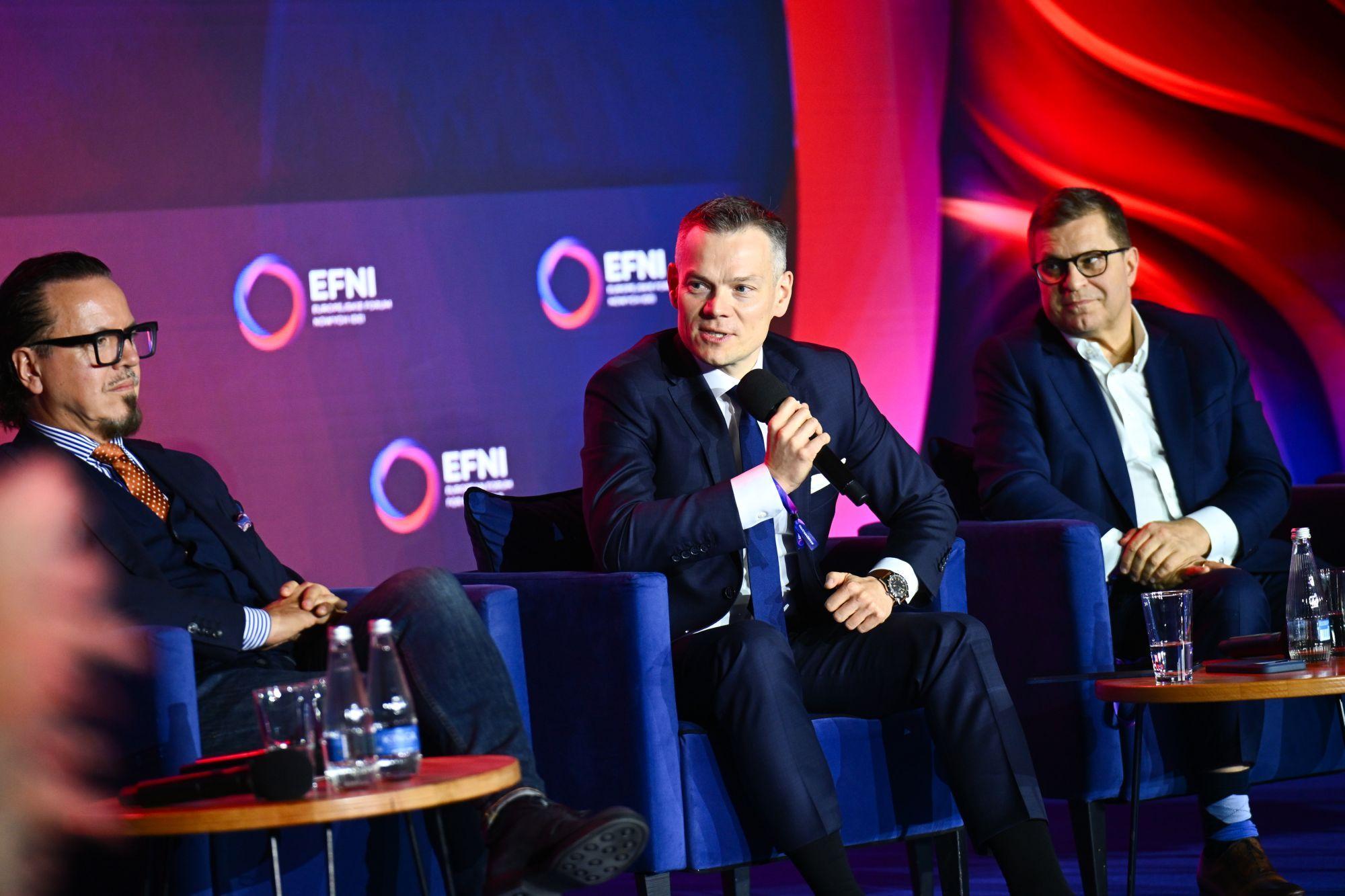
Jacek Jastrzębski spoke at the panel on gender balance on corporate boards during EFNI 2026
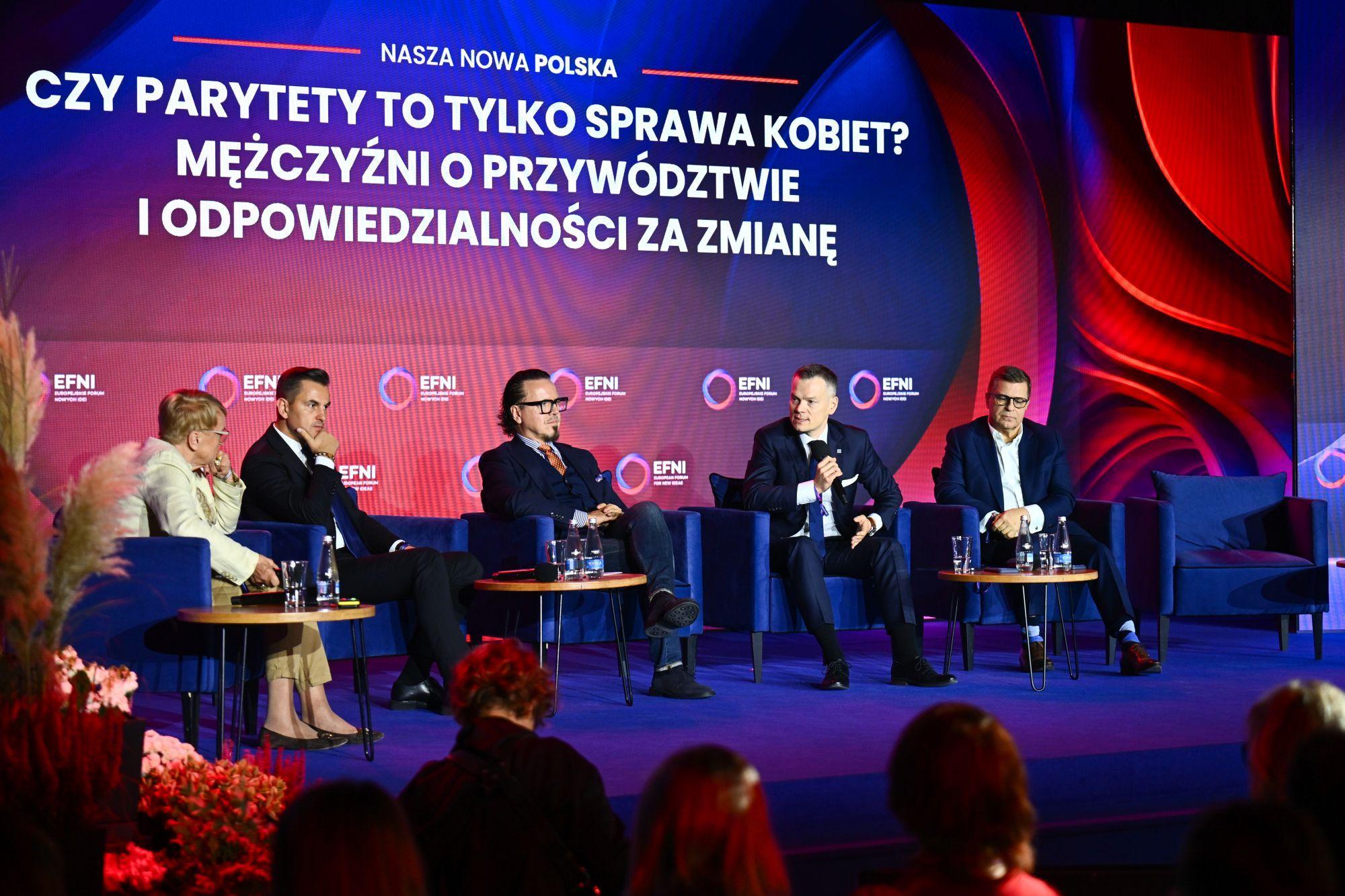
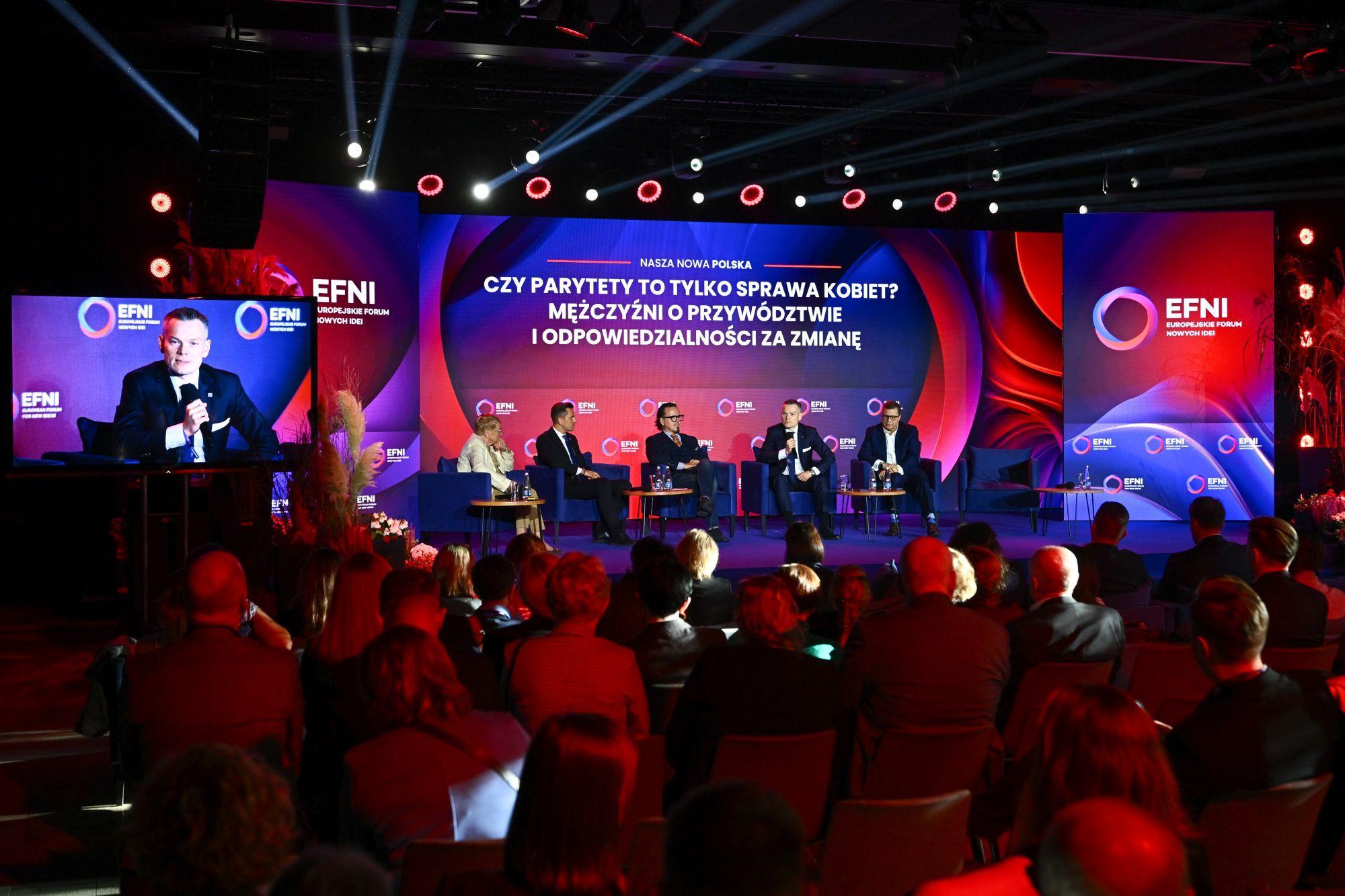
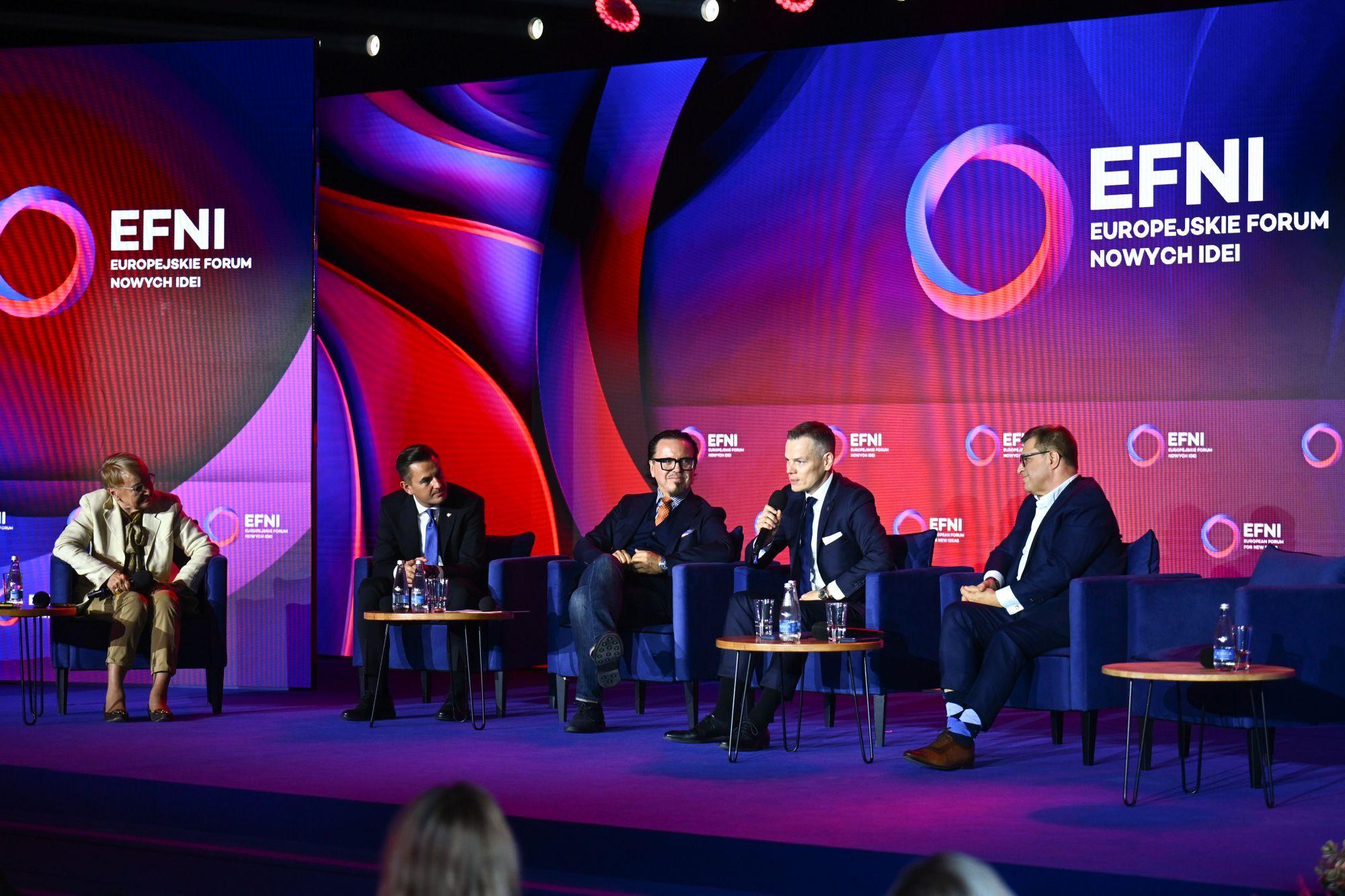
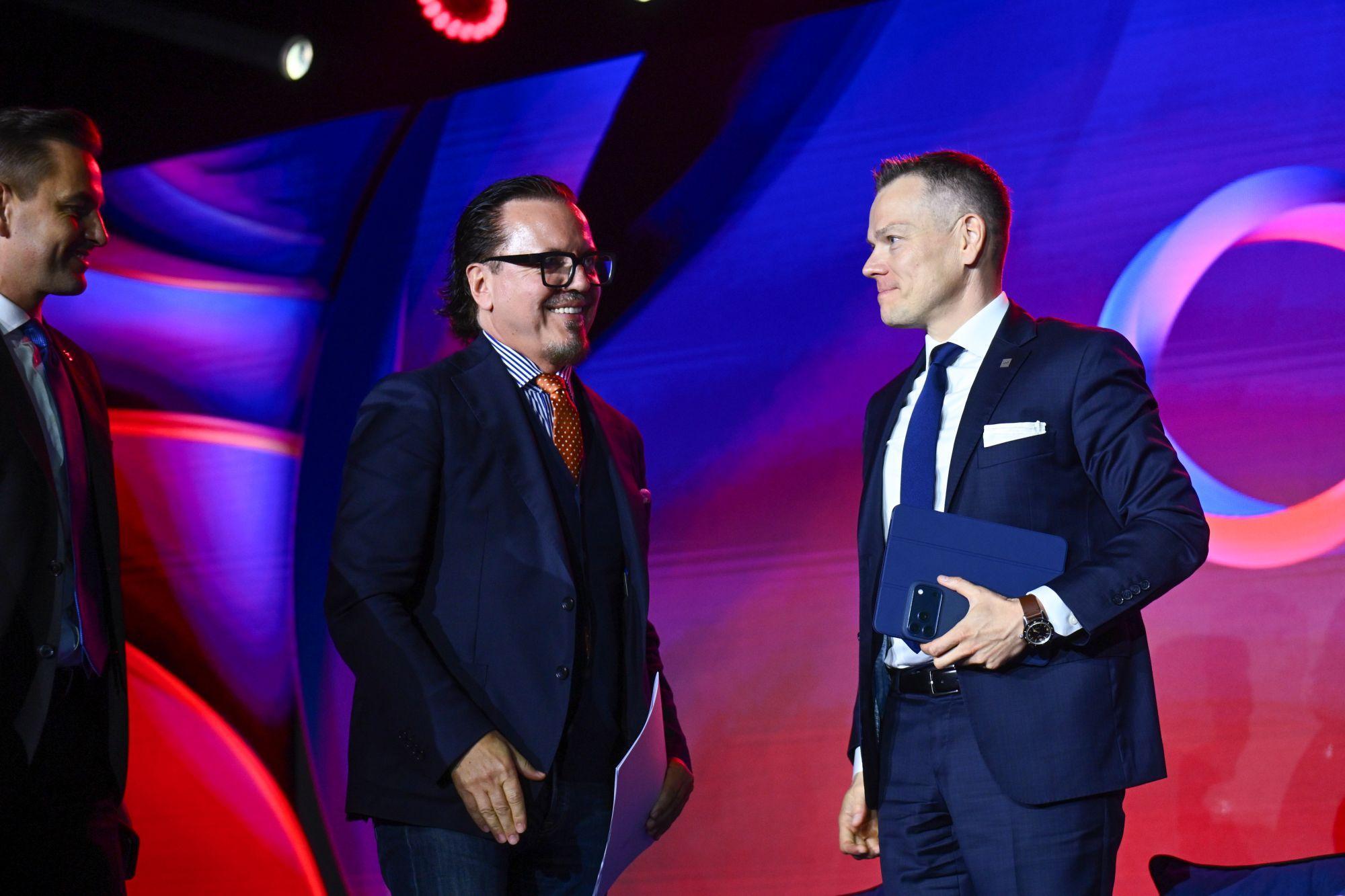
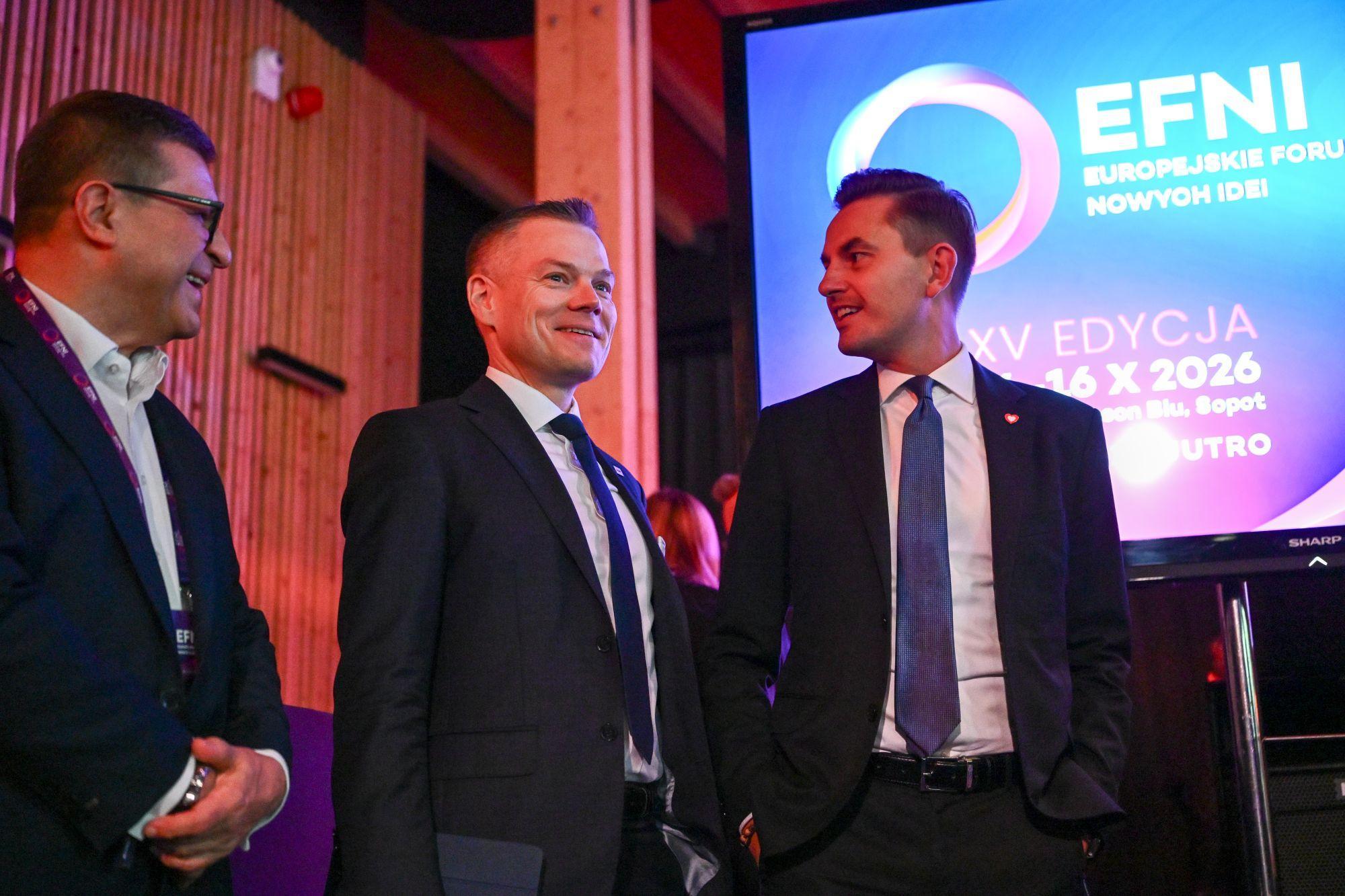
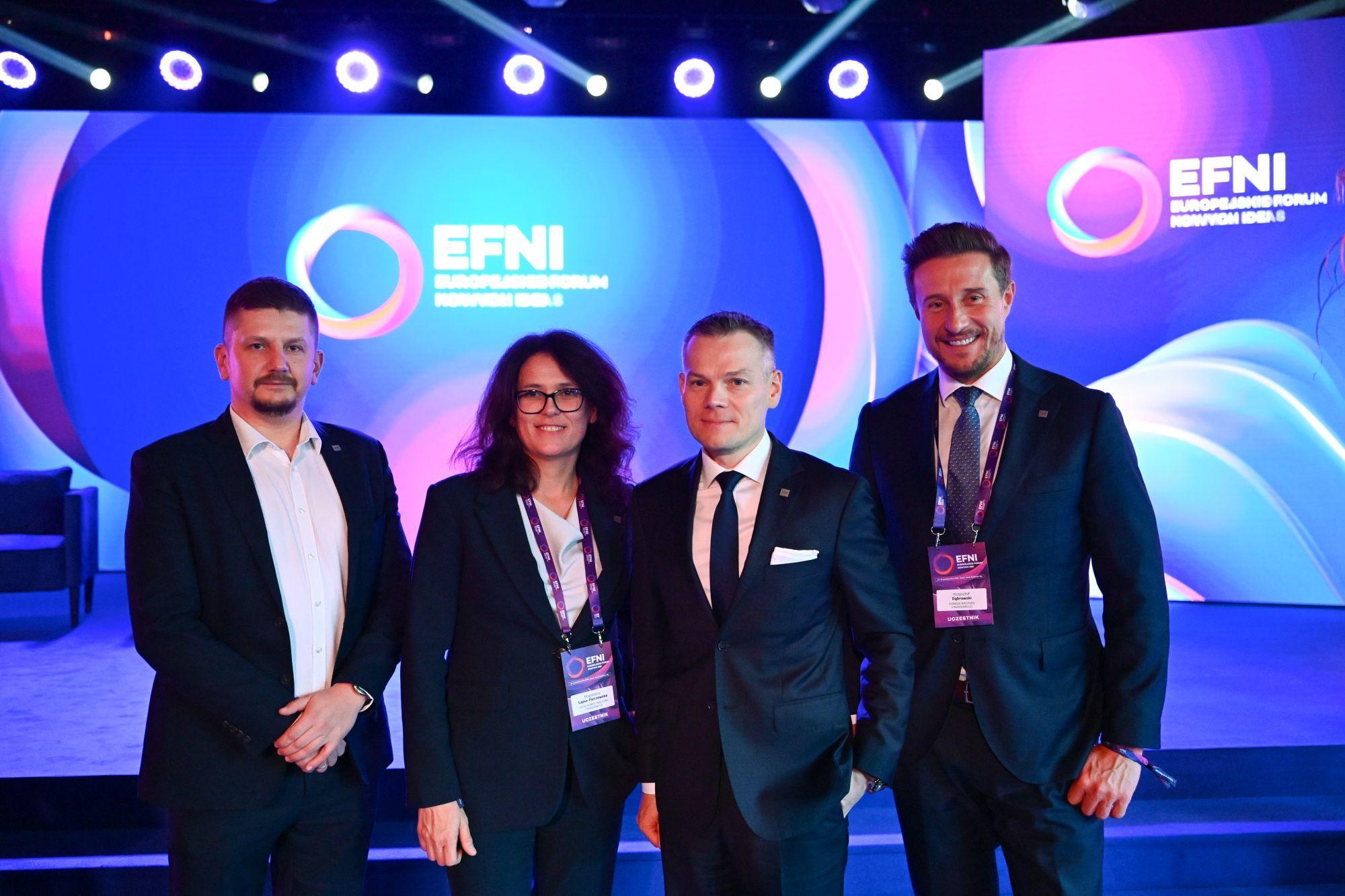
Jacek Jastrzębski, Chair of the KNF, spoke at the panel ‘Are quotas just a women’s issue? Men on leadership and the responsibility to drive change’, held on 16 October 2026 during the European Forum for New Ideas (EFNI) in Sopot.
The panellists included: Wojciech Balczun, Minister for State Assets, Arkadiusz Myrcha, Secretary of State at the Ministry of Justice, Tomasz Bardziłowski, CEO of Warsaw Stock Exchange, and Jacek Kowalski, Management Board Member in charge of Human Resources at Orange Polska. The discussion was moderated by Henryka Bochniarz, Head of the Henryka Bochniarz Academy of Leadership.
The discussion focused on the implementation of regulations related to gender balance on boards of listed companies, the role of supervision in preparing the market for new obligations, and the importance of diversity for the quality of management and long-term stability of an organisation.
Jacek Jastrzębski has emphasised that the UKNF prepares public companies covered by the new regulations for the fulfilment of obligations arising from women-on-boards regulations by ensuring transparent expectations and a clear implementation timeline. To this end, the UKNF has published guidelines on obligations of listed companies in three areas: preparation of gender balance reporting, development of required policies, and application of appropriate criteria in the process of nominations to top management positions. The first report on gender representation on corporate boards and measures taken to ensure gender balance must be prepared by companies by the end of October. The reports are, first and foremost, to ensure a fair diagnosis of the current situation and assessment of the representation of both genders at specific levels of management.
The first stage of supervision of compliance with the new regulations was described by the Chair as a process of learning, both for companies and for the KNF. He invited companies to present in their reports not only data on gender representation required under statutory law but also to proactively demonstrate programmes, tools and initiatives aimed at promoting equal opportunities being implemented at specific firms. This will allow everybody to recognise the effective and efficient solutions and disseminate identified good practices, and the supervisory authority – to amplify positive feedback as appropriate.
He has added that the effective implementation of new solutions depends not only on the actions of companies themselves but also on the attitude of shareholders. Special responsibility rests with institutional investors, whose nomination policies should support companies in the achievement of objectives related to gender balance. To this end, the UKNF has addressed a letter to investment fund management companies and pension societies to draw their attention to the need to actively support companies in aligning their HR practices to the new requirements.
Jacek Jastrzębski has emphasised that gender balance should not boil down to a regulatory obligation. The decision to regulate this matter stems from the observation that actions based on soft law have not brought changes fast enough. At the same time, regulations are just one factor of the expected change. It is at least equally important to recognise the real value stemming from diversity, which may strengthen the quality of management, support decision-making and increase the long-term stability of the organisation. From the perspective of financial institutions, it is of particular importance as the quality and safety of their operation must be perceived from a long-term perspective.
The Chair of the KNF pointed to the important role of personal commitment of leaders and promotion of diversity, referring to his own organisational experience. He has emphasised that, at the UKNF, approximately a half of director-level positions are held by women, who play an important role in the functioning of the institution.
Jacek Jastrzębski also emphasised the importance of building a culture which encouraged women to get promoted and take up positions of responsibility. It is key to enhance their self-confidence, support their professional development and eliminate barriers that may exist at the level of social beliefs. He stated that sustainable gender balance requires a combination of regulations, commitment of shareholders, responsibility of leaders as well as awareness in shaping an organisational culture where diversity is treated as a value that supports the long-term growth of the organisation.