Multimedia - Komisja Nadzoru Finansowego

COMMUNICATION
Dariusz Adamski on the prospects for integration of the European capital market
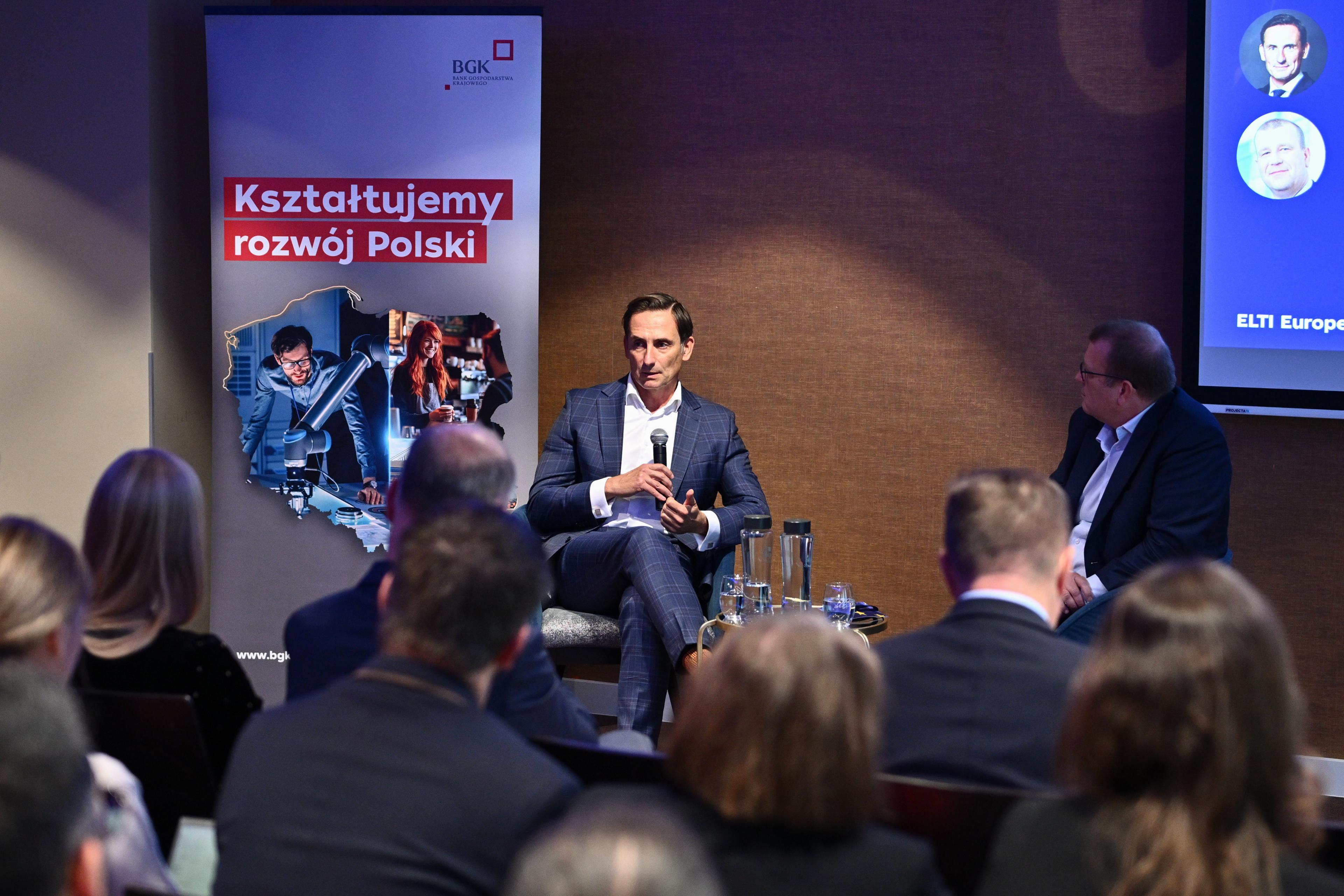
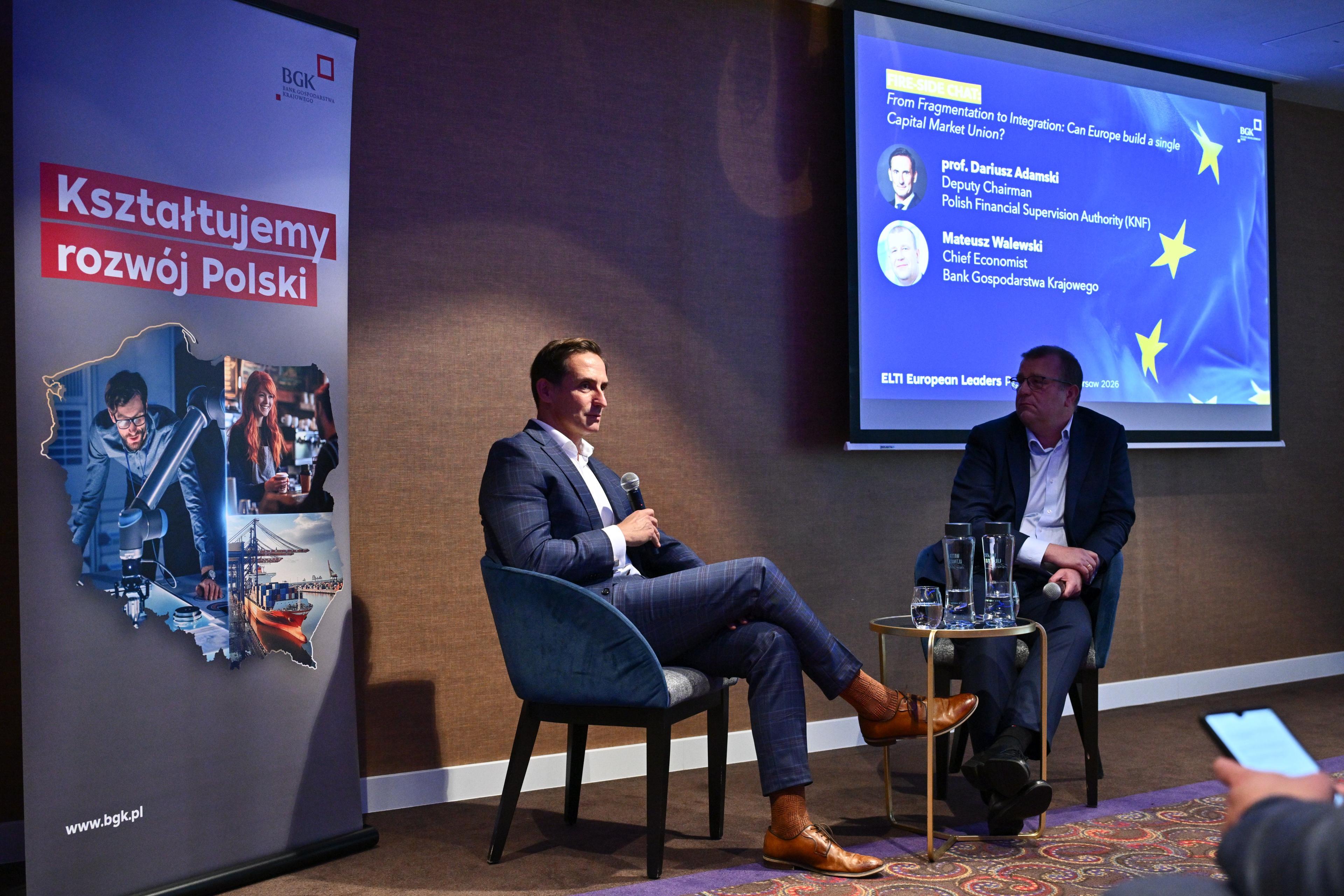
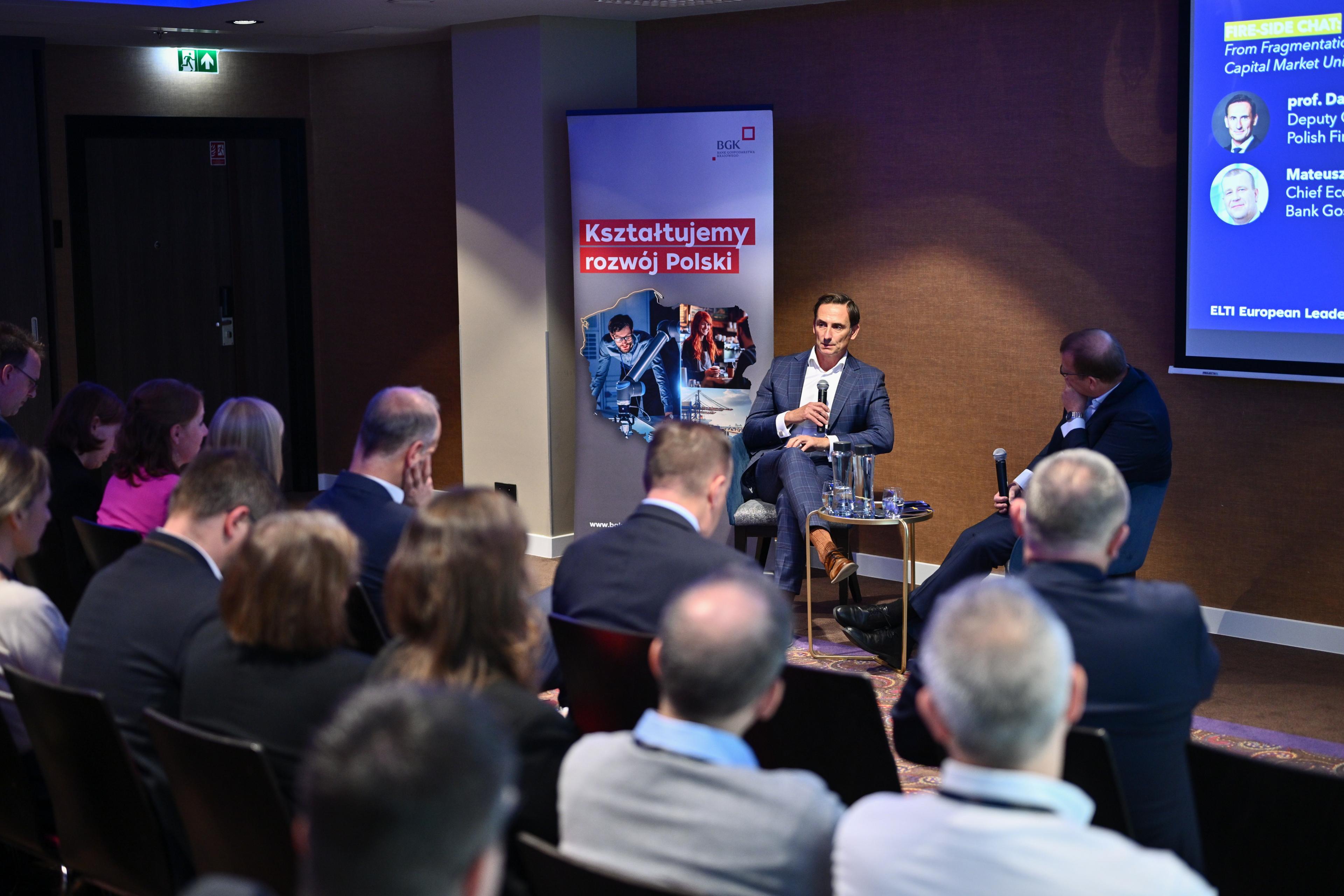
Dariusz Adamski, Deputy Chair of the KNF, took part in a fireside chat with Mateusz Walewski, Chief Economist at Bank Gospodarstwa Krajowego (BGK), titled ‘From fragmentation to integration: Can Europe build a single capital market union?’. The event was organised by BGK.
The discussion was devoted to the prospects for the integration of the European capital market, EU regulatory reforms within the Savings and Investment Union as well as methods to increase competitiveness of European financial markets.
On his part, Dariusz Adamski questioned the dominant narrative that building strong and competitive capital markets required regulatory changes at the EU level, which were supposed to strengthen integration (and prevent fragmentation) of the EU market.
As he pointed out, the fragmentation of the European capital market does not result that much from regulatory differences but rather from the fact that EU Member States, even in the eurozone, remain fully sovereign in economic terms. As for economic policy, the EU’s competences in this domain are the weakest ones as they are of only supportive and complementary nature. There is no EU economic 'government', so EU pension funds cannot be created because each Member State shapes their own national pension policy. Member States also decide how to support those funds fiscally from taxes collected at the national level. Capital markets, like the entire financial sector, depend on economic policy, and for this reason the United States have one capital market, while the EU will have 27 capital markets as long as there are 27 economic policies. And this is not going to change in the foreseeable future. It would be much smarter to adapt to those limitations and make sure that domestic capital ecosystems are healthy and develop dynamically rather than strive for an unattainable goal and risk that by allegedly supporting the EU market one would act to the detriment of the existing financial ecosystems.
Dariusz Adamski pointed to the importance of national and regional institutional investors, their risk appetite and capabilities to manage that risk for the development of financial ecosystems. In this context, cooperation among national and European financial and development institutions is equally important. Such cooperation should take into account differences between various markets, in particular the needs of regions where access to capital and investors is much more limited.
One of challenges ahead of the European capital market is the outflow of innovative businesses to the United States in search of capital and development. The answer to this challenge should not be new rules, though, but cooperation among investors, and development of their business models. EU banks, at least the most ambitious ones, should evolve towards investment banking, while investment funds should more actively enter the private capital market, cooperate with each other more intensively, and develop competences to act more dynamically and fight for profits more aggressively. ‘This is the only way possible to mobilise savings and finance economic growth in Europe more effectively,’ Dariusz Adamski said.